
HMO Fire Safety Requirements in Stafford Explained
Fire safety is one of the most important parts of running an HMO, yet many landlords misunderstand what’s required. This guide explains HMO fire safety requirements in Stafford, including what you need in place, ongoing responsibilities, and the common mistakes to avoid.
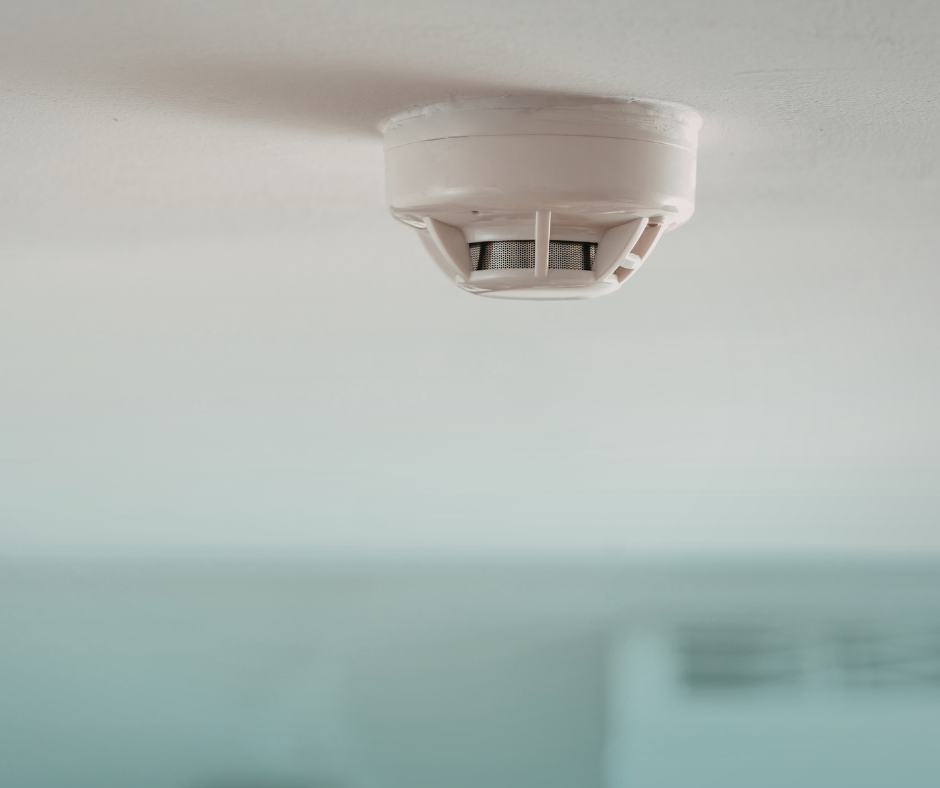
What Do HMO Fire Safety Requirements in Stafford Actually Involve?
Fire safety in HMOs is not based on a single checklist. It depends on the property, layout, and number of tenants.
However, most HMOs will require a combination of:
These measures are designed to protect tenants and make sure of safe evacuation in the event of a fire.
Fire Safety Is Not One-Size-Fits-All
One of the biggest mistakes landlords make is assuming all HMOs require the same setup.
In reality:
This is why taking a generic approach often leads to compliance issues.
Ongoing Fire Safety Responsibilities for Landlords
Fire safety isn’t something you install once and forget.
Landlords are responsible for ongoing management, including:
This ongoing responsibility is where many landlords fall short and so hiring a property manager, like Based Lettings, can take this off your hands.
Common Fire Safety Mistakes in HMOs
From our experience working with landlords, the most common issues include:
These mistakes can lead to serious consequences - both for tenant safety and legal compliance.
Why Fire Safety Is Taken So Seriously
HMO fire safety regulations exist to protect tenants in shared living environments, where risks are naturally higher.
Local authorities have the power to enforce these standards, and failure to comply can result in:
Getting this right from the start is far easier than fixing issues later.
How Based Lettings Supports HMO Fire Safety
At Based Lettings, we take a practical, hands-on approach.
Because we operate HMOs ourselves, we understand:
We help landlords:
If you want clarity on your HMO fire safety requirements in Stafford, our team can guide you through it.
FAQ: HMO Fire Safety Requirements Stafford
Q.Do all HMOs need the same fire safety setup?
No. Fire safety requirements depend on the size, layout, and occupancy of the property. Each HMO should be assessed individually.
Q.Are fire alarms enough for HMO compliance?
No. Fire safety also includes fire doors, escape routes, and ongoing maintenance responsibilities.
Q.How often should fire safety systems be checked?
Fire alarm systems should be tested regularly, often weekly, alongside routine inspections and assessments.
Q.What happens if fire safety requirements are not met?
Landlords may face enforcement action, financial penalties, and potential restrictions on operating the property.